

Who’s Missing From Your Donor List?
Imagine being deeply passionate about a cause but unable to engage because the website doesn’t work with your screen reader, the event venue isn’t accessible, or donation options don’t accommodate diverse needs.
That’s the reality for many potential donors with disabilities.
Unintentional Exclusion = Lost Support
One in four U.S. adults lives with a disability, yet only 14% of nonprofits include accessibility in their digital strategy. Many organizations unknowingly create barriers that prevent disabled donors from engaging—whether it's inaccessible online platforms, lack of ASL interpretation at events, or ignoring disabled voices in fundraising messaging.
Additionally, many nonprofits rely on ableist assumptions in their outreach, using language that frames people with disabilities as passive recipients of charity rather than active changemakers. When organizations don’t prioritize accessibility and inclusion, they send an unintentional message that disabled donors aren’t valued.
Inclusive Fundraising is Smart Fundraising
If you want to embrace Developmental Disabilities Awareness Month and beyond truly, here’s how you can make your fundraising efforts more inclusive:
Make your website accessible—Ensure your donation page is screen-reader-friendly, and all images have alt text.
Offer multiple engagement options—Text-to-give, video messaging, and accessible virtual events allow more donors to participate.
Ensure events are fully accessible—Choose venues with ramps, provide ASL interpreters, and offer sensory-friendly spaces.
Feature diverse voices in your storytelling—Showcase disabled donors, activists, and beneficiaries to shift the narrative from charity to empowerment.
Audit your fundraising materials—Eliminate jargon, ensure readability, and use plain language to reach a wider audience.
Train your team on accessibility best practices—Many barriers exist simply due to a lack of awareness. Training staff and volunteers on inclusive practices can go a long way in making your nonprofit welcoming to all donors.
Partner with disability-led organizations—Collaboration is key. Work with groups that specialize in disability rights to learn best practices and make genuine connections with the community.
Create donor opportunities that reflect diverse abilities—Offering multiple ways to participate, from virtual volunteering to advocacy campaigns, ensures everyone has a way to contribute.
Being inclusive isn’t just the right thing to do—it’s a strategy for expanding your donor base and increasing long-term engagement. A fundraising approach that embraces accessibility, representation, and inclusion isn’t just ethical—it’s effective.
Prioritizing these efforts doesn’t just invite more donors in—it builds a stronger, more sustainable nonprofit that truly reflects the values of community and equity.
Want to assess and improve your donor engagement? Let’s start with aStewardship Auditto help you create a more inclusive, donor-centered fundraising strategy.
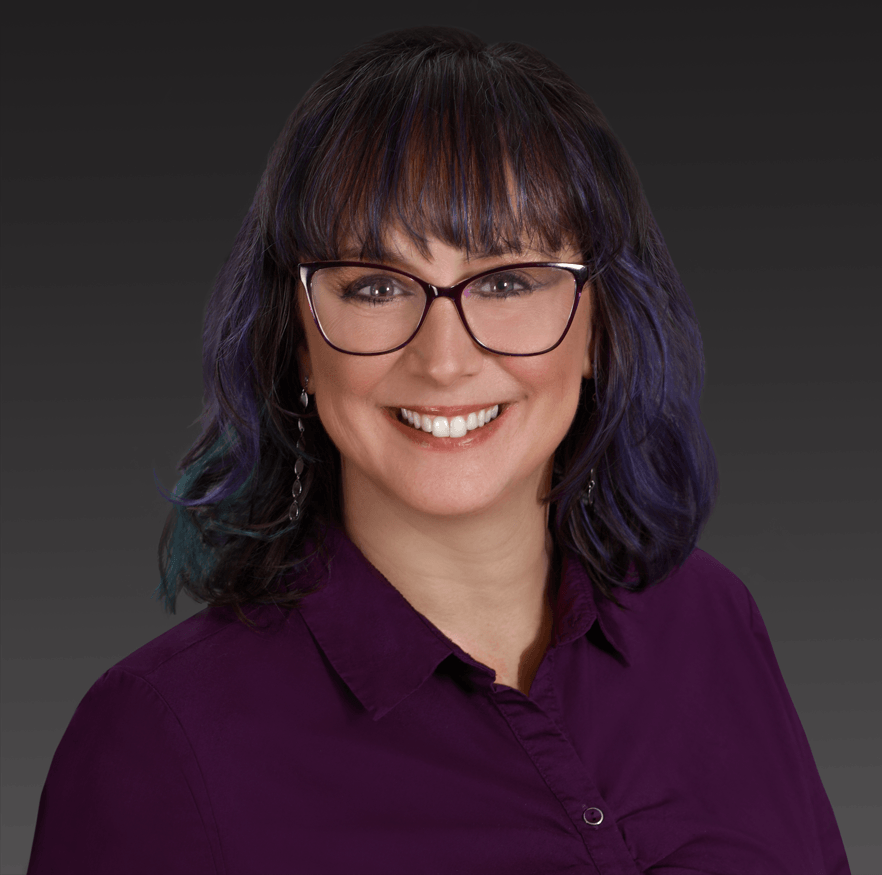
I'm Your Fundraising BFF
I help nonprofits build retention-first fundraising systems that make revenue steadier and fundraising easier.
I’m Ellena. For 15+ years I’ve worked at the intersection of data, messaging, and donor psychology, the stuff that actually moves results.
Want practical templates and strategies you can use immediately? Drop your email here. I’ll send the good stuff, not fluff.


Join the Bestie Community
Receive tips, tricks and strategies - and more blog posts like this when you sign up to receive insights and emails from Nonprofit Bestie.

Nonprofit Bestie installs relationship-led, retention-first fundraising systems that provide sustainable, predictable revenue without the burnout or constant rebuilding.
817-677-8779
Newsletter
Join the Bestie Community for strategies, templates, and more!
Created with © systeme.io